Menu

Insights
There is a moment on every large project when the site might still have cows grazing and the paperwork is still a stack of questions. It is usually a very big ambition and a very long list of things that have to fall into place before anyone can talk about a start date.
Over the past year, Cerulean has been living in that moment on a hyperscale data centre campus in Sydney. While project details remain confidential, what I can share is what the work actually looks like, because it says something about where the real complexity in this sector sits.
It is not the building, it is everything before the building.
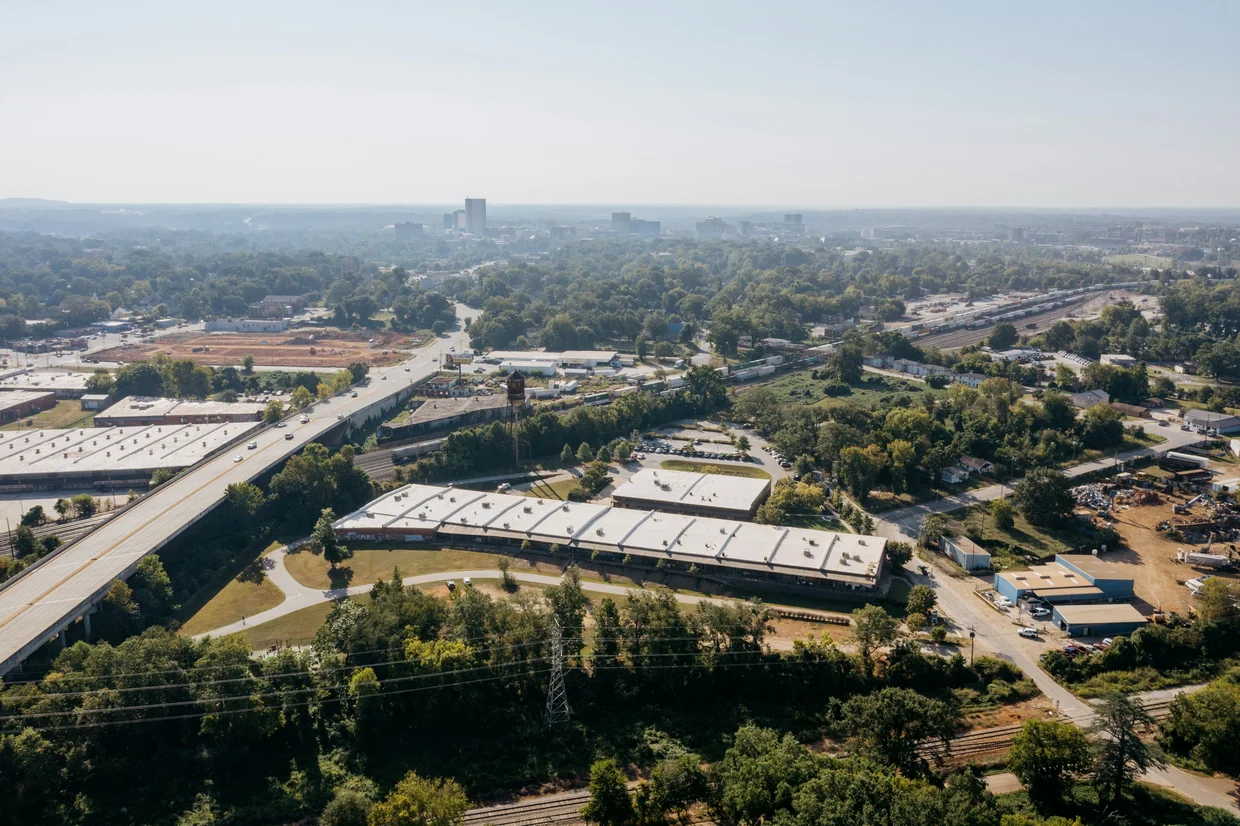
When people picture a data centre project, they picture engineering and industrial buildings; cooling, power density, redundancy, the racks themselves. That work is demanding, and there are excellent specialists who do it well.
But for the large-scale AI and hyperscale campuses now being planned across Australia, the hardest part is rarely the building, it is getting the project to the point where a building is possible at all.
On this campus, we were engaged alongside a specialist data centre partner to lead project management through the Early Contractor Involvement stage. That meant holding the whole picture together while the master plan, concept design and cost plan were resolved to a standard that could stand up to a State Significant Development submission, and to hyperscale customers who have very particular ideas about what they need.
In parallel, we were working through the utilities, securing them means procurement with authorities and network operators who run on siloed timelines, often years long, discordant with the needs of a fast-moving data centre sector. We were also shaping the head contractor procurement strategy, which at this scale means thinking early about staging, modular construction and which subcontractors can actually deliver at volume.

Three things stand out in the Australian context.
The first is the planning pathway. A hyperscale campus will almost always land in the state significant space, which brings rigour, but also a sequencing challenge. You need enough design certainty to submit, without locking in decisions before the operator or tenant requirements are known. Getting that balance right is a craft (and sometimes a dark art), and it is where a lot of projects lose months.
The second is environmental and site conditions. Western Sydney is where the land and the power corridors are, and it is also where water capacity is constrained. A connection to a high voltage line a few kilometres away sounds simple until you have to validate the route, cost it and secure it, the same goes for water. These are not design problems, but strategy problems, and they need answers before design can be given a clear brief.
The third is the pre-planning stage itself, which is where I find the most value is created or lost. In a recent conversation about a different site, the discussion kept returning to one principle: turn the studies you already have into an integrated project basis before you do anything else. Consolidate the utility work, understand the full picture and the remaining risks, appoint the right consultants in the right order, and map programme and cost together. Secure the tenant, then design with purpose, this sounds obvious but is remarkably rare.
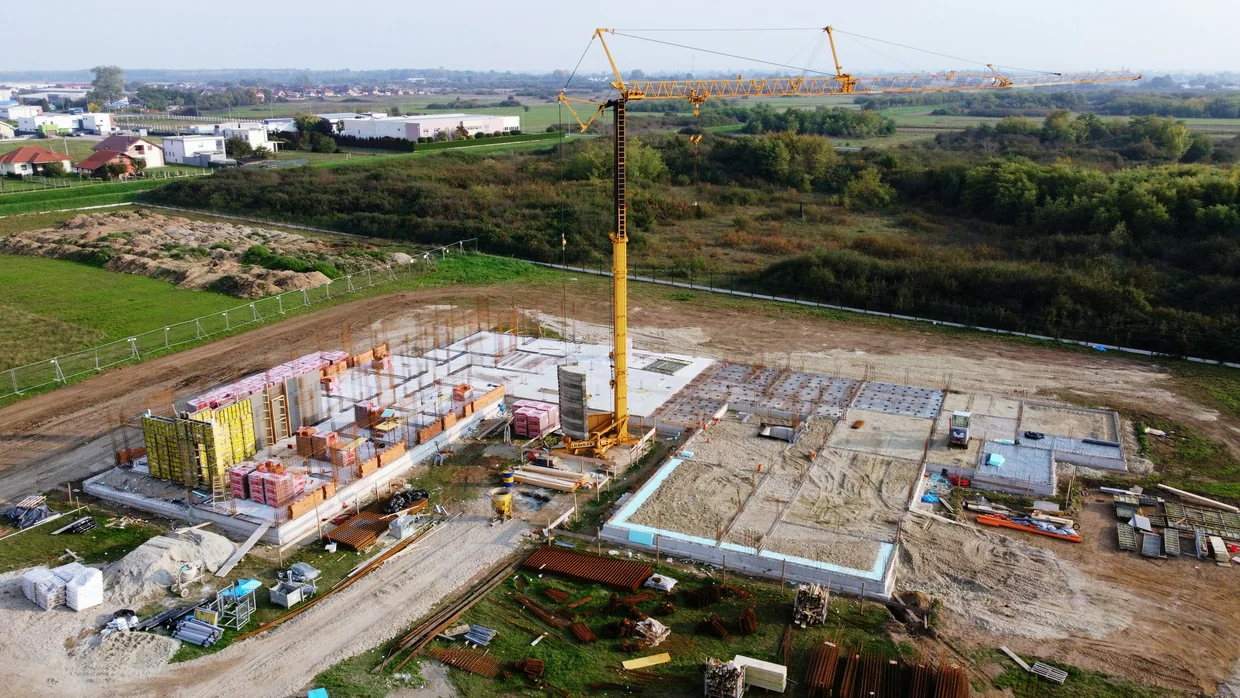
Data centres are an emerging sector for Cerulean, and I am comfortable saying that. What our team brings is not a decade of data hall fitouts. It is years of taking complex, high-stakes projects through exactly this stage in other sectors: large mixed-use precincts, heritage and state significant developments, hospitals, public sector projects, semiconductor fab, trading floors, pharmaceutical and industrial projects, ranging in size from 1,500 to 250,000 sqm, from 800 sqm to 500 acres, from $1m to $5B in value.
The skills transfer more directly than you might expect; authorities management is authorities management, procurement strategy for a staged programme is the same discipline whether the end product is a trading floor or a data hall. Holding a client's ambition steady against a planning pathway with its own rhythm is something we have done many times over.
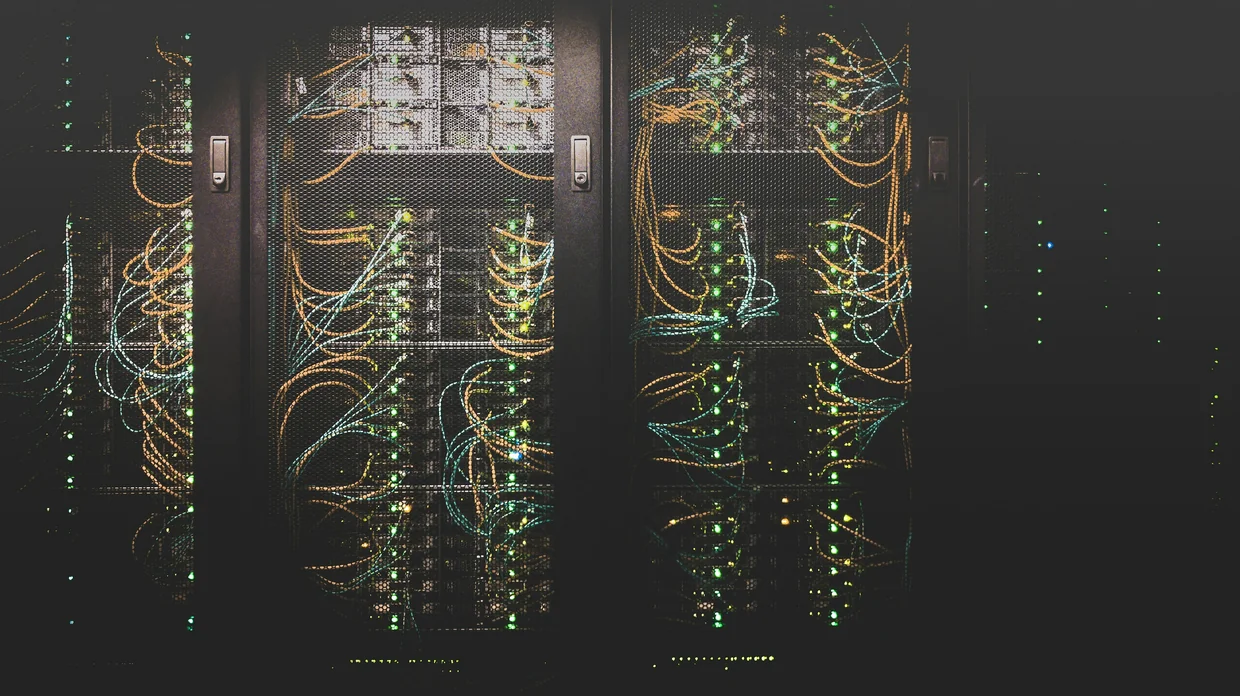
What we add is the ability to see the project whole, and to quietly navigate, challenge and enable until the path forward is clear. That is the work we love and excel at, and it is the work this sector needs most right now.
If you are looking at a large-scale site and wondering how to get it from concept to a credible, fundable, approvable project, that conversation is one we would very much like to have.